Insights · 5 min read
Low MOQ vs. Bulk: How to Scale an Apparel Range
Every brand faces the same tension: test the market with a small order, but small orders price badly. Understanding where the minimum actually comes from turns it from an arbitrary rule into a number you can plan around.
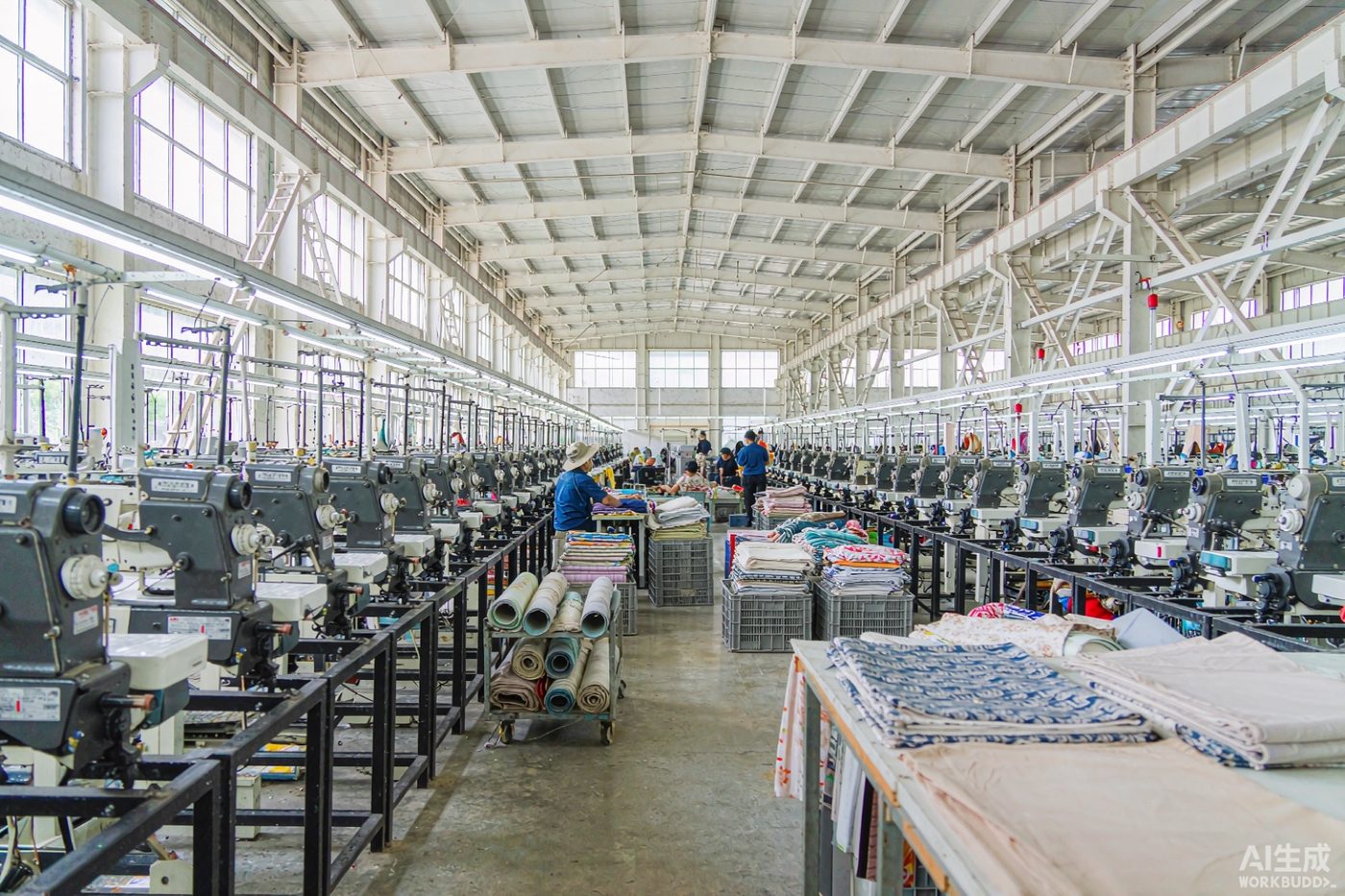
Where a minimum order actually comes from
Not from the factory trying to be difficult. It comes from two places:
The fabric mill's minimum dye lot. Custom-dyeing a shade requires a minimum run — commonly several hundred metres. Below that, the mill will not run the dye bath at all, or the per-metre price becomes prohibitive.
The setup cost of cutting and decoration. A screen or a embroidery digitising file is produced once regardless of run size. Spread across 2,000 pieces it is negligible; across 200 it can exceed the garment cost.
What changes as quantity rises
Unit cost falls for three separate reasons, and it helps to separate them:
Fabric — better pricing at higher metreage, and access to custom dyeing.
Setup amortisation — the same fixed screen or digitising cost spread across more units.
Cutting efficiency — a marker plan that fits the fabric width well saves material, and that saving is easier to achieve on longer lay lengths.
The stock-fabric route to a lower minimum
If you want to test at a lower quantity, the practical answer is to use a stock fabric and a stock colour. There is no custom dye lot, so the mill minimum disappears, and only the decoration setup remains. It limits your colour choice, but it gets you to market at a fraction of the risk.
Planning the transition to bulk
The mistake is treating the first small order as disposable. If a test order is going to scale, three things need to be right from the start:
Lock the pattern and size chart. Re-cutting a pattern between orders changes the fit, and customers notice.
Lock the fabric specification. A supplier change mid-range alters the hand-feel, which undermines repeat sales.
Keep the artwork files. Re-digitising or re-screening from scratch wastes the setup you already paid for.
A factory that keeps your specification on file can turn a repeat order into a production run rather than a re-development. That is worth more than a marginally lower unit price from a factory you have to re-brief every time.
A realistic sequence
Stage 1 — one or two styles on stock fabric, small quantity, to validate the product and the factory.
Stage 2 — successful styles reordered on the same specification, with custom labels and packaging added.
Stage 3 — full range on custom-dyed fabric at volume, where the unit economics actually work.
Most brands that scale successfully follow roughly this path. The ones that struggle usually tried to jump straight to Stage 3 without validating anything.