How problems get solved
Manufacturing Project Files
These are the kinds of briefs we work on most often, written as project files: the situation a buyer brought us, the constraint that made it hard, and the way it was resolved. They describe capability scenarios, not endorsements — we do not name clients or publish order values we cannot verify.
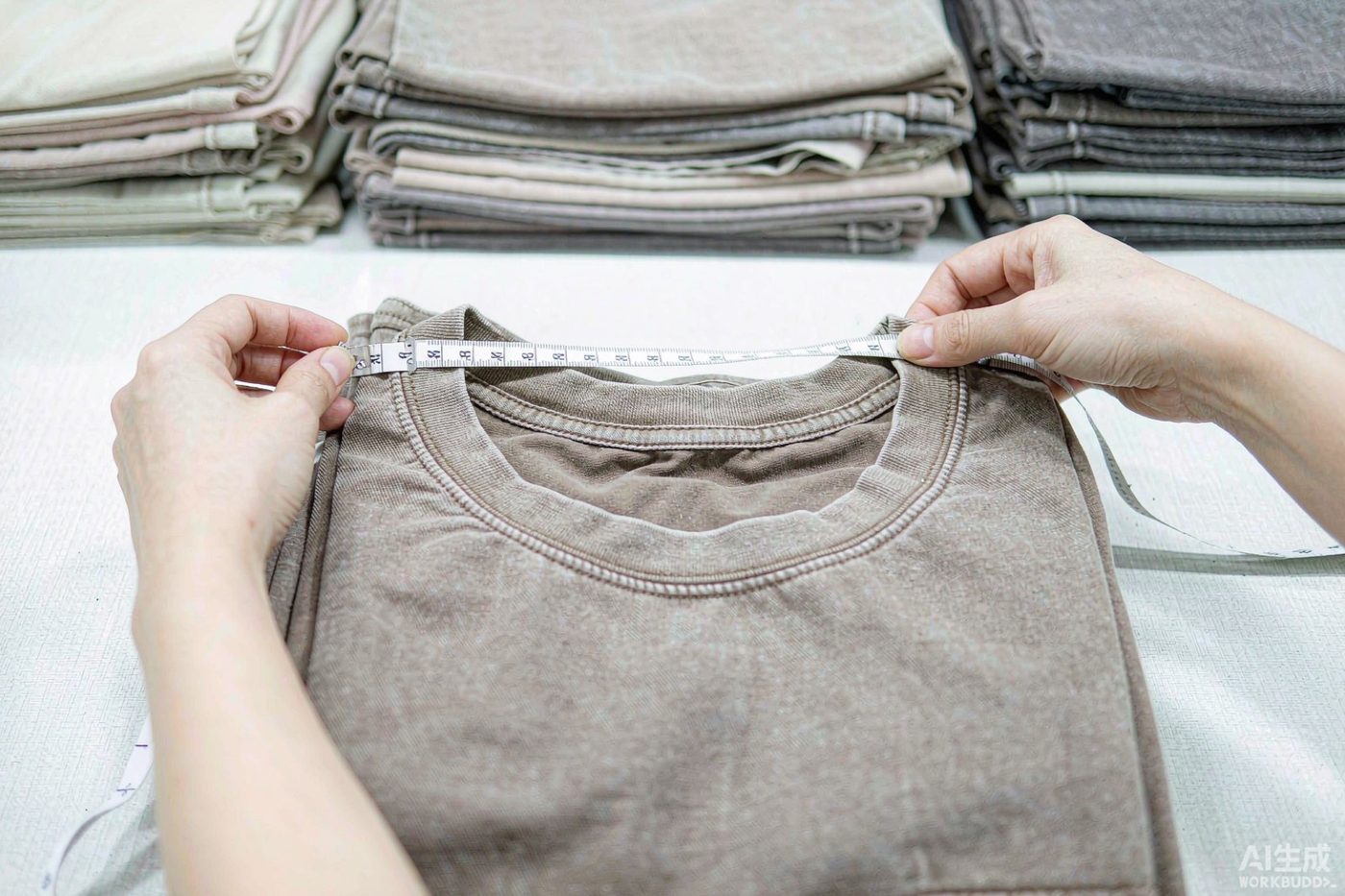
Heavyweight tee range
A streetwear brand needs a tee that does not go see-through
A brand moving from a light 140 gsm tee to a premium heavyweight range kept getting complaints that the fabric was see-through at the chest once the pieces were washed and worn.
They had already sampled a 240 gsm option, but it had gone stiff and lost the relaxed drape their fit was built around — weight alone had not fixed it.
We rebuilt the specification around a chuanzi-texture knit at 220 gsm with a denser gauge rather than simply adding weight. The added surface structure killed the transparency while keeping the drape, and the boxy fit was re-drafted rather than scaled so the shoulders held without pulling.
Workwear uniform programme
A contractor needs site-compliant hi-vis that survives industrial laundering
A facilities contractor was replacing a uniform programme across multiple sites and needed tops that met site visibility requirements while surviving repeated industrial washes.
The previous supplier's reflective tape dulled and began peeling after a handful of wash cycles — the garments were compliant on delivery and non-compliant within months.
We specified certified reflective tape applied and cured to the tape maker's process, tested wash durability rather than assuming it, and built the top in a durable construction that would not distort around the tape placement. Tape positioning was set to standard and held in the tech pack.
Sustainable cotton line
A brand wants organic cotton but the cost jump is hard to justify
A brand wanted to launch an organic cotton tee line but bridled at the premium, which is real and mostly sits in the fibre and certification chain.
The premium is unavoidable at the fibre level — the question was where it could be recovered without compromising the claim itself.
Rather than compromise on the fibre, we kept the organic claim intact and recovered margin in decoration and logistics: a simpler one-colour print, and consolidating colourways so the minimum was met with fewer SKUs. We supply the mill certificate with the order so the claim is substantiated.
Zip-through fleece
A zip hoodie that does not wave along the placket after washing
A brand's zip-up hoodie looked perfect off the production line but the front placket began to wave after the first wash, which read as poor quality to their customers.
The wave came from the fleece and the zip tape shrinking at different rates — a construction problem that no amount of pressing hides permanently.
We stabilised the placket with interfacing, specified a compatible zip tape and adjusted the sewing tension along the front edge so the two materials moved together. Wash testing confirmed the placket held its line.
Teamwear / sublimation
An all-over printed polo with no ink layer and no cracking
A sports club supplier needed an all-over team pattern on a polo that would not crack, fade or feel like a printed plastic layer.
The design was full-colour and dyed into the fabric, which rules out screen printing — but any surface print would fail the hand-feel and durability requirement.
We moved the programme to sublimation on a polyester base, so the colour is in the fabric rather than on it — no ink layer, no cracking. The trade-off, which we set out up front, is that sublimation requires polyester and cannot run on the cotton blend they had originally specified.
Private label launch
A first collection from a creator with no technical background
A creator launching a first apparel line had a clear aesthetic and audience but no tech pack, no fabric vocabulary and no size chart.
Factory workflows assume a specification exists. Asking a first-time founder to produce one before getting a quote stalls the project indefinitely.
We developed the specification with them from reference garments and swatches: fabric weights chosen to hit their price point, a graded size run drafted from their target fit, and decoration specced for durability. The first production run was kept small to validate sell-through before scaling.